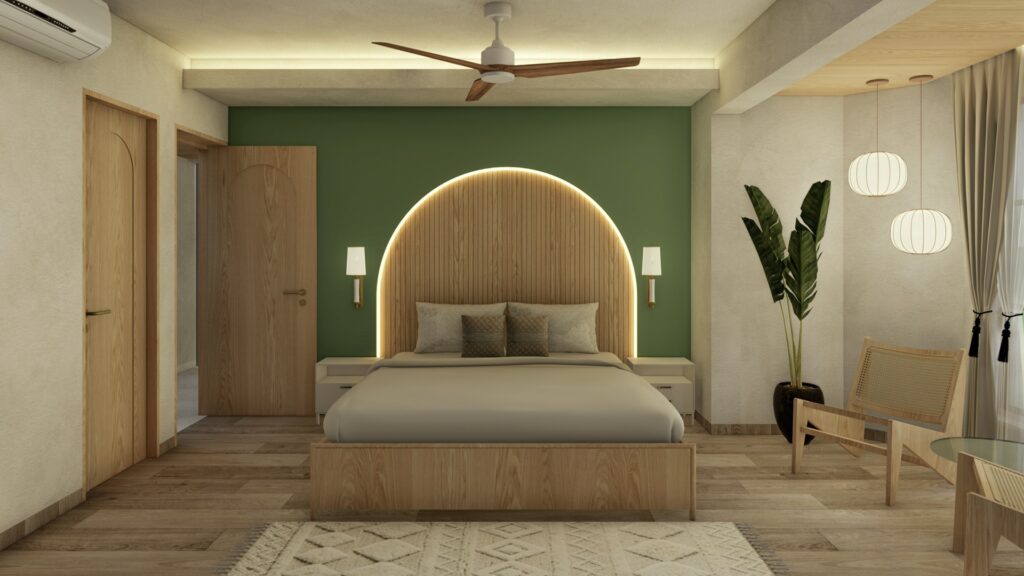
Home interior lighting plays a critical role in how a space looks, feels, and functions. Beyond aesthetics, good lighting improves comfort, usability, and even how spacious a room feels. Poor lighting, on the other hand, can make well-designed spaces feel flat, cramped, or uncomfortable.
Choosing the right lighting is not about picking attractive fixtures alone—it’s about understanding how light supports daily activities in different rooms. This New Leaf Designs guide explains how to select and place home interior lighting fixtures thoughtfully so every space feels balanced, practical, and comfortable to live in.
Understanding How Home Interior Lighting Works
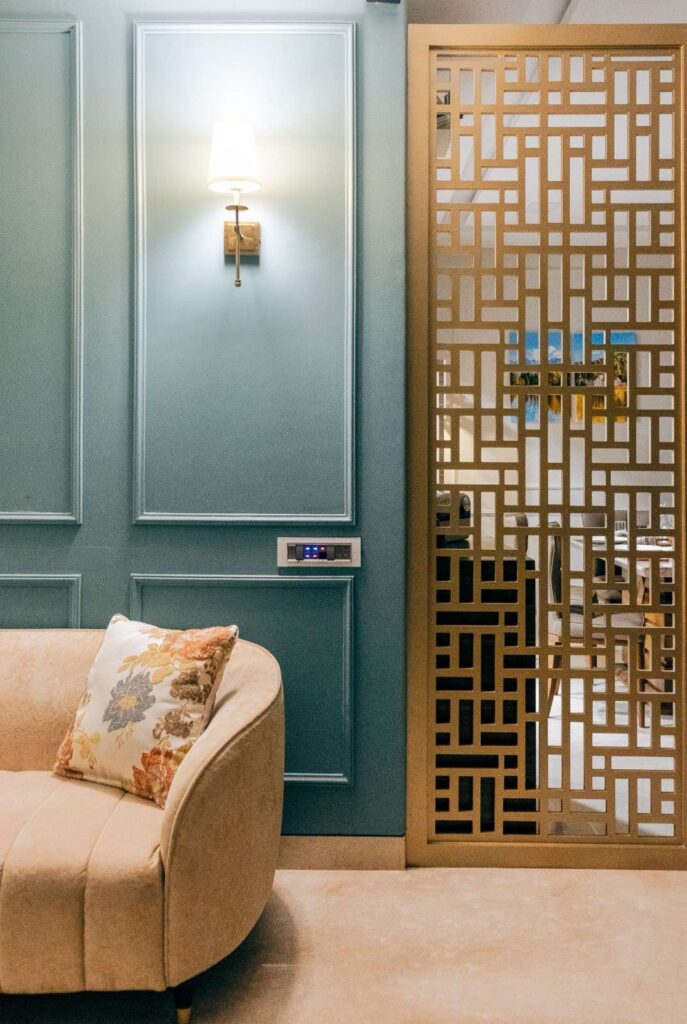
Every room serves a different purpose, which means interior lighting requirements change from space to space. A well-planned lighting scheme uses layers, not a single light source. Good interior lighting typically includes:
- Ambient lighting for overall brightness
- Task lighting for focused activities
- Accent lighting to highlight features or add depth
Layering these types of lighting ensures rooms are flexible, functional, and visually comfortable throughout the day.
Choosing the Right Lighting Fixtures
Lighting fixtures should be selected based on function first, then style. Key considerations when choosing fixtures:
- Ceiling height and room size
- Activities performed in the space
- Glare control and light spread
- Ease of maintenance
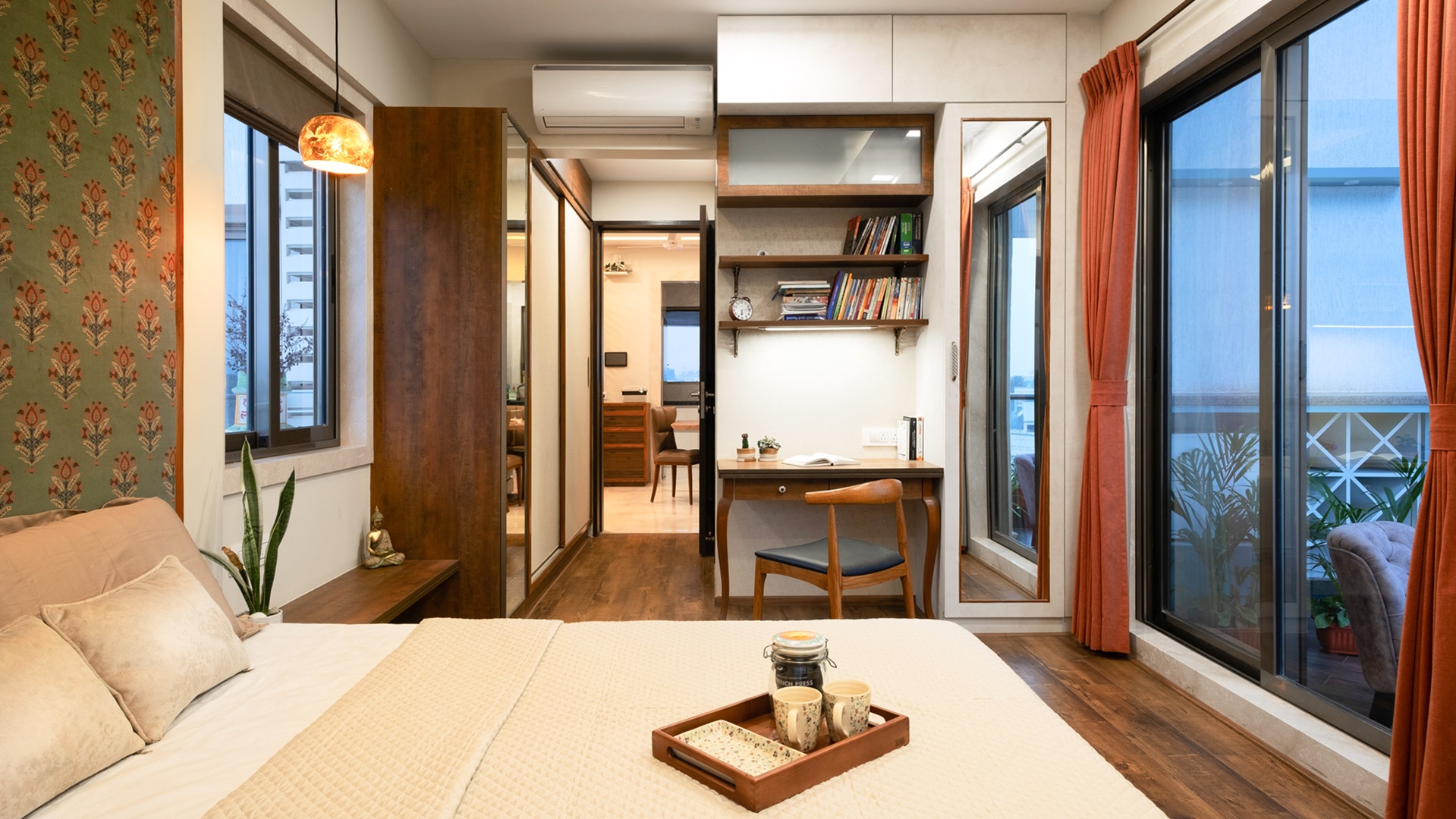
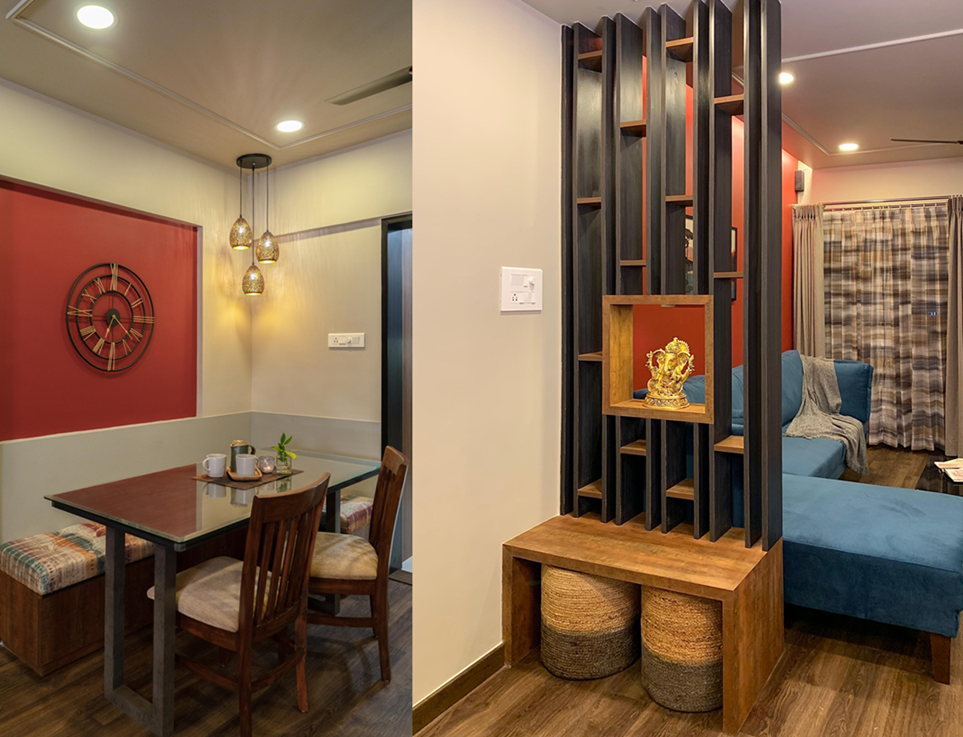
Pendant lights work well over dining tables and counters, while recessed lights provide even illumination without visual clutter. Wall-mounted fixtures help soften lighting in living areas and bedrooms, especially when overhead lighting feels too harsh.
Fixtures should complement the room—not overpower it.
Placing Lighting Fixtures Correctly
Even good fixtures can fail if placed poorly. Placement affects shadows, visibility, and comfort. General placement guidelines:
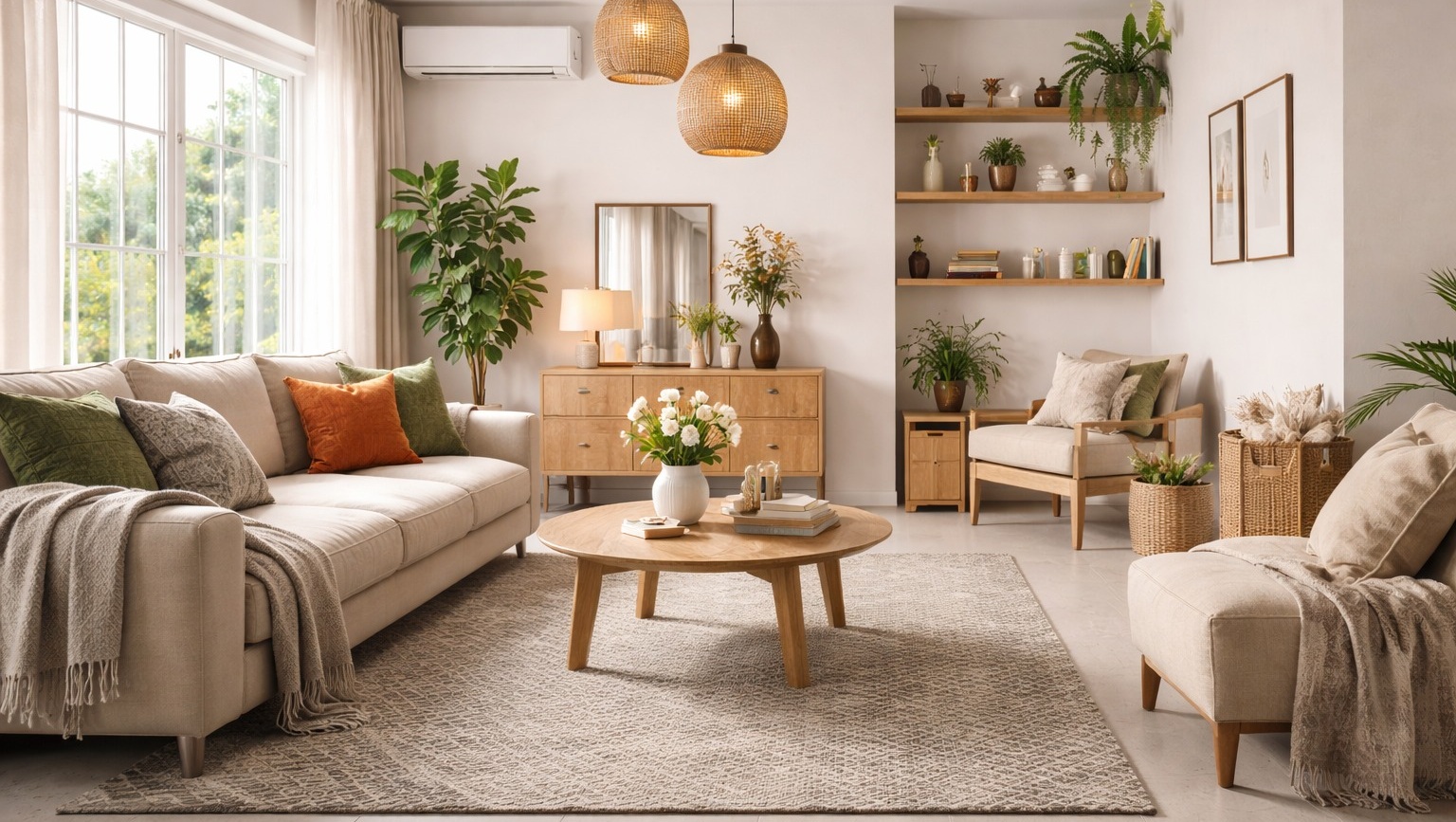
- Living areas benefit from multiple light sources rather than one central light
- Kitchens need focused task lighting over counters and work zones
- Bedrooms feel more relaxed with side lighting instead of strong overhead lights
- Bathrooms require even lighting around mirrors to avoid harsh shadows
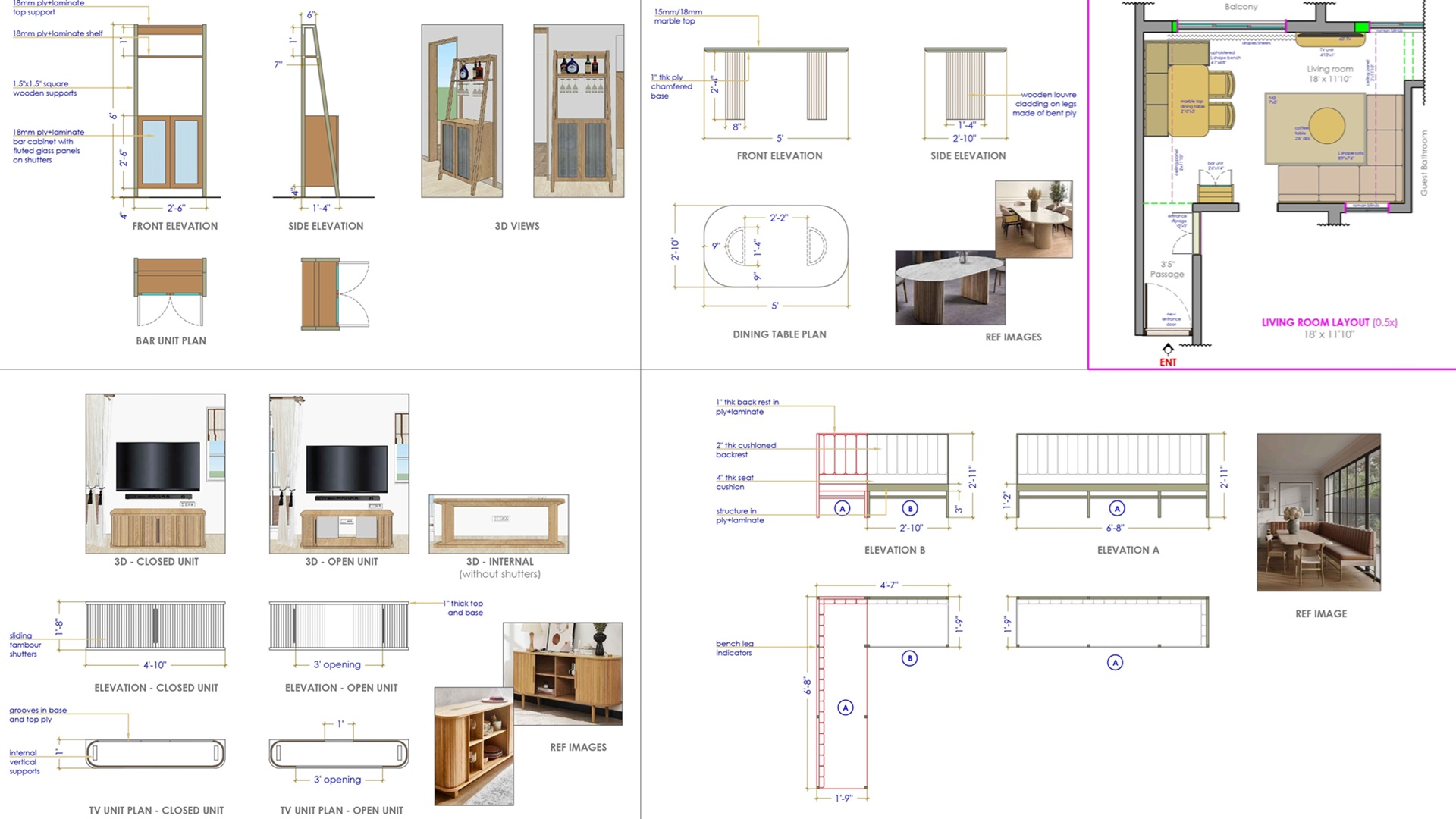
Planning placement alongside furniture layouts prevents awkward shadows and dark corners.
Choosing the Right Light Colour (Kelvin Temperature)
Light colour has a major impact on mood and usability.
- Warm light (2700K–3000K): Best for bedrooms and living rooms
- Neutral light (3500K–4100K): Suitable for kitchens and study areas
- Cool light (5000K+): Works well in utility and service areas
Using the wrong colour temperature can make spaces feel uncomfortable—even if the design is otherwise good.
Using Dimmers and Controls Effectively
Dimmers allow spaces to adapt to different times of day and activities. Bright lighting works for cleaning and cooking, while softer lighting creates a relaxed atmosphere in the evening.
Installing dimmers wherever possible adds flexibility without changing fixtures and helps reduce energy use over time.
Smart Lighting & Automation: Useful, Not Essential
Smart home interior lighting systems offer convenience through scheduling, dimming, and remote control. While not essential for every home, they can be useful in areas where lighting needs change frequently.
Smart lighting works best when the basic lighting plan is already sound. Technology should support good design—not compensate for poor planning.
Visualising Lighting Before Execution
One of the biggest challenges homeowners face is imagining how lighting will feel once installed. Reviewing layouts and visual references beforehand helps avoid over-lighting or under-lighting spaces.
Understanding how natural and artificial light interact at different times of day leads to better decisions and fewer changes during execution.
Lighting as Part of the Overall Design Process
Lighting should never be treated as an afterthought. When planned alongside layouts, materials, and furniture, it enhances both functionality and aesthetics. An efficient home interior lighting layout tends to:
- Feel more spacious
- Function better throughout the day
- Age more gracefully over time
Thoughtful Lighting Makes Everyday Living Easier
Good interior lighting doesn’t draw attention to itself—it quietly improves how a home works. When fixtures, placement, and colour temperature are planned intentionally, spaces feel calm, balanced, and comfortable.
A thoughtful lighting plan supports daily routines while allowing flexibility as needs change.
Explore related interior planning guides:
Small Kitchen Design Ideas for Compact Homes
Interior Cleaning & Maintenance Tips
Designing With Intention: A Thoughtful Design Approach
Understanding 2D & 3D Interior Drawings