TL;DR – Planning an interior budget for your Pune home?
Most homeowners overspend on interiors because they don’t know where the budget actually goes. In this guide, you’ll learn:
- How much of your interior budget should go to kitchen, wardrobes, and living spaces
- Which materials save money without compromising durability
- Hidden costs many Pune homeowners miss
- How to plan interiors room-by-room before hiring a designer
If you’re planning interiors for a new 2BHK or 3BHK in Pune, proper budget planning can easily save ₹2–5 lakhs in unnecessary upgrades.
Book a free consultation with New Leaf Designs to plan your interiors with a transparent cost breakdown.
Planning an interior budget for Pune homes may feel overwhelming initially. But having a clear direction early on is essential to avoid unnecessary costs later. The questions usually start with:
How much should interiors cost?
What is an ideal interior budget for a 2BHK or 3BHK?
How to do home interior planning before starting work?
How do I avoid overspending later?
Many Pune homeowners either underestimate interior costs or overspend on unnecessary upgrades. The key is understanding where interior money actually goes and how to allocate your budget room-by-room.
This guide explains how to plan interior budget for a Pune home in 2026, using a practical, room-by-room approach that works for Indian households—without compromising on quality or long-term usability.
Additional resource – Home Interiors Cost in Pune (2026 Guide)
Start with a Clear Ballpark Budget (Don’t Guess)
Interior costs can vary widely depending on finishes, design complexity, home size, and carpentry requirements. Refer to our home interior design pricing page or the table below, for helpful ballpark estimates.
The numbers below assume:
- Basic area-specific furniture for all rooms (including built-ins)
- Basic lighting and painting
- Plain false ceiling
- Basic décor and styling
Even before design begins, this gives you an indicative frame of reference. It prevents unrealistic expectations and helps you make informed investment decisions.
Pune Interior Design Rate Chart (2026 Estimates)
Home Size (est)
Essential
Comfort
Signature
1BHK (up to 600 sqft)
₹1,200 / sqft
₹1,350 / sqft
₹1,500 / sqft
2BHK (up to 900 sqft)
₹1,150 / sqft
₹1,300 / sqft
₹1,450 / sqft
3BHK (up to 1200 sqft)
₹1,050 / sqft
₹1,200 / sqft
₹1,350 / sqft
Prioritize Your Must-Have Zones First
A very common mistake is spreading the budget thin across everything. Here is a realistic interior planning checklist of the most important spaces of your home, such as:
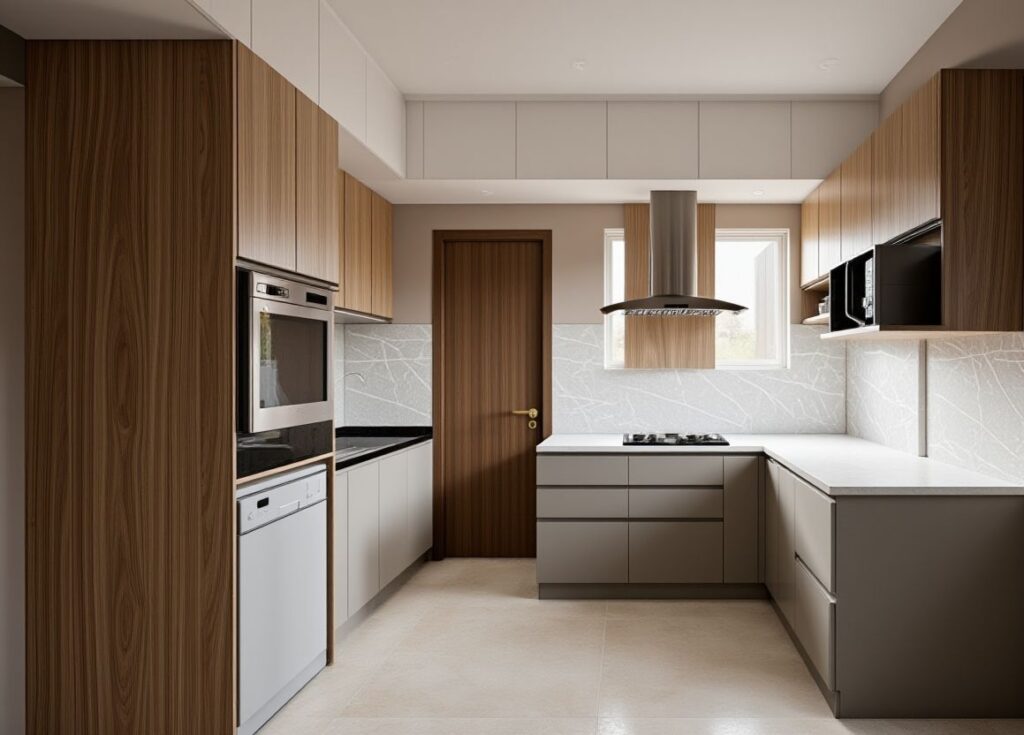
I. Kitchen (highest usage, highest ROI)
Your kitchen should be the first priority in an interior budget plan because:
- Daily wear & tear
- Heat & moisture
- Heavy storage
- Regular cleaning
- Essential hardware
- Safety requirements
Tips: Focus in good BWR/BWP/Marine plywood, soft-close hardware, and a durable countertop like granite and quartz. Avoid matte finish laminates or a handleless look to avoid fingerprints. Avoid specialty hardware like magic corners, lift-up hydraulic fittings, wicker baskets, or any other accessories unless absolutely necessary.
II. Wardrobes and lofts
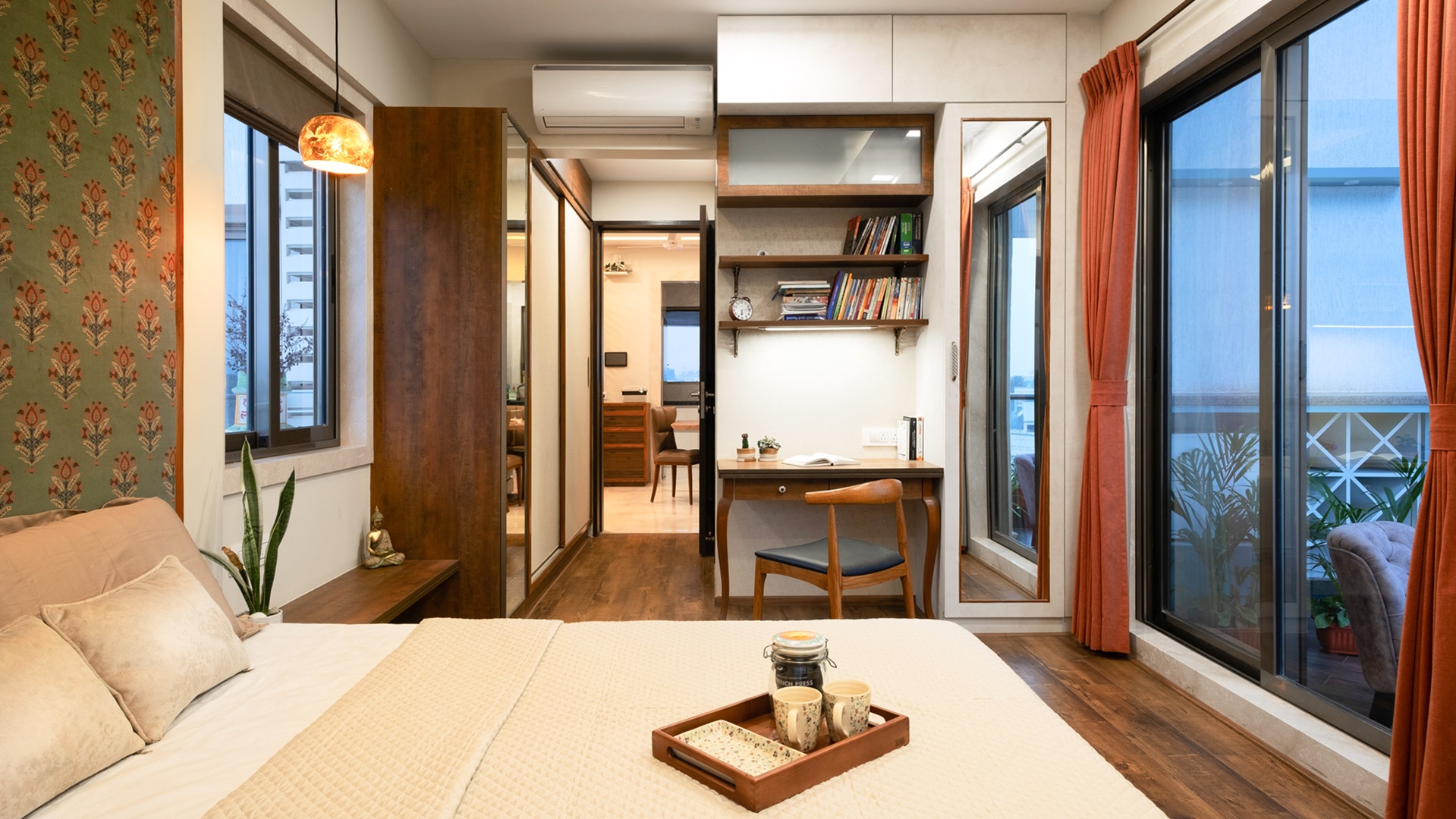
Built-in storage is essential in Indian homes. Custom wardrobes use every inch of height and width, especially important in small flats. Laminate exteriors are durable and cost-effective.
Tips: Go for budget friendly openable shutters, avoid sliding doors. Limit the number of drawers inside your wardrobes as they drive up costs. Opt for more hanging spaces and shelving.
Explore our detailed guide on some of the best storage ideas for Pune homes.
III. Workspaces / Study Areas
With hybrid work still the norm, functional WFH spaces matter. Try to plan it in a space that has natural light. Keep it simple and reduce excessive storage around it as these spaces get filled up very easily.
Tips: Invest in a good height adjustable desk for longer working hours. Plan storage above the desk while keeping legroom free. Plan enough sockets for electronics like printers, etc.
IV. Lighting & Electrical
Good lighting improves functionality AND aesthetics. Adding electrical points later can be costly, so plan them early.
Tip: Avoid overdesigning, homes meant for relaxation don’t require excessive lighting fixtures. Soft ambient lighting is more than sufficient.
Some quick tips on how to effectively light your home interiors.
V. Once primary areas are covered, allocate the remaining budget for:
- False ceiling
- Beds & loose furniture
- Wall paneling
- Décor & soft furnishings
Intentional prioritization = controlled spending + quality where it counts.
Choose the Right Materials (Your Budget Depends on It)
Material selection is where most home interior budget planning succeeds or fails. Here’s a simplified 2026 interior planning checklist:
I. Core Material (Carpentry)
- Best (economic) for dry areas: MR Commercial plywood
- For moisture-prone areas: BWP/BWR plywood, HDHMR
Tip: Custom furniture allows you to mix materials smartly, high-grade material only where required. Avoid particle boards.
II. Finishes
- Laminate: Most cost-effective, limited designs, durable, scratch-resistant. Opt for texture laminates for vertical surfaces, smooth/satin/suede finish laminates for horizontal surfaces.
- Acrylic: Glossy premium look, expensive, needs maintenance
- PU: Premium look, versatile designs, but high labour cost & more touch-ups
- Veneer: Beautiful/timeless vibe, needs polish + maintenance, labour intensive, expensive
A quick guide on how to maintain and care for your interior surfaces
III. Countertops
- Granite: Most durable & low maintenance, budget-friendly
- Quartz: High aesthetic value, durable, more expensive than granite
- Full body tiles: Cost effective, high aesthetic value, delicate and high maintenance, less durable than quartz and granite
IV. Hardware
Prioritize quality for hardware and choose branded hardware with manufacturer’s warranty. Opt for non soft-close hardware for a stress free, budget friendly option.
Tip: Hardware determines longevity more than finishes do. So, choose wisely.
Custom vs Modular: Budget Smarter by Understanding the Difference
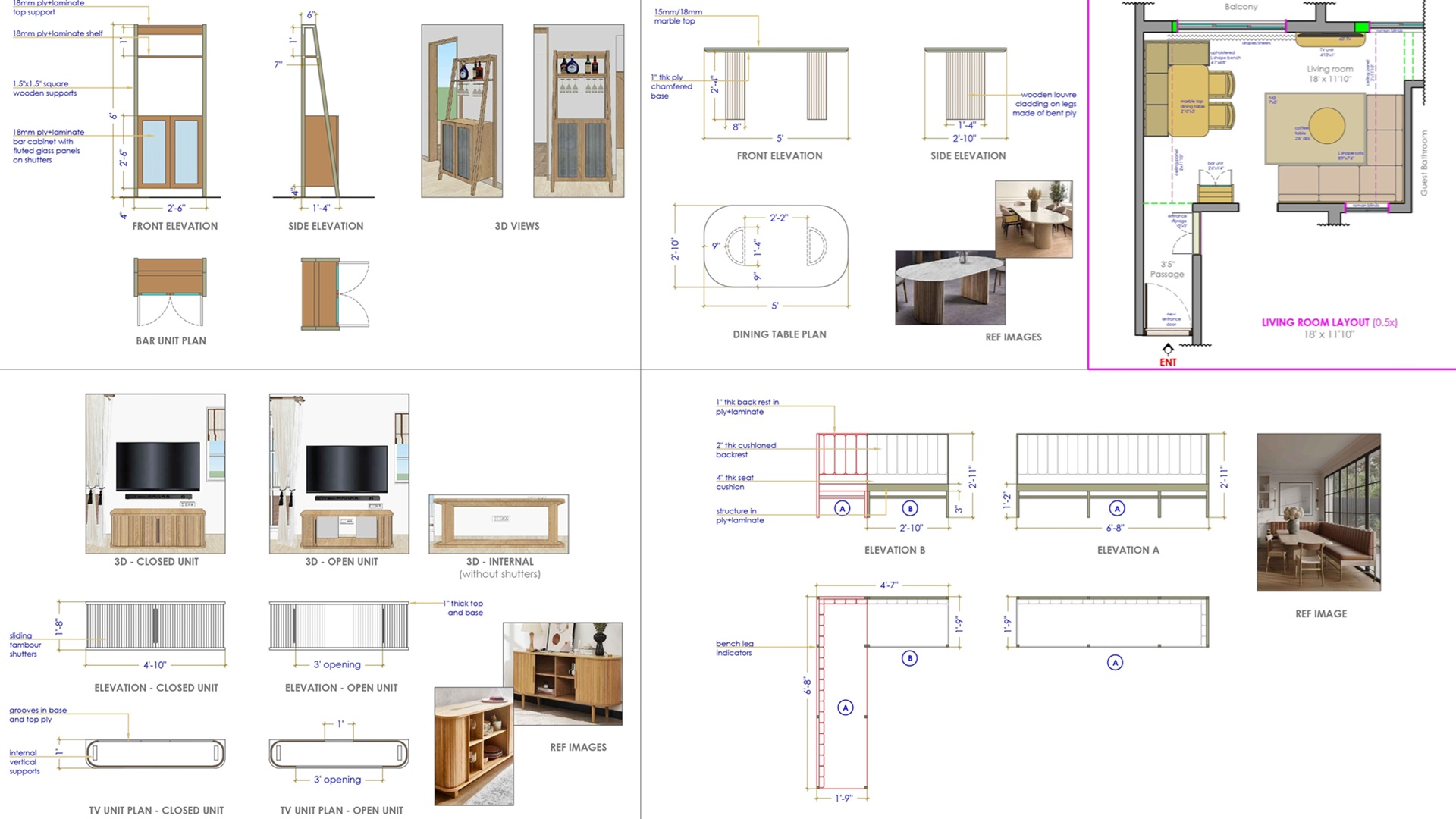
A large chunk of investment in your interior budget plan goes into carpentry. This is where most homeowners struggle choosing between modular and custom. Here’s the simplest way to look at it:
Modular = Convenience + Consistency + Premium look and finish
- Factory-made
- Fixed sizes
- Quick installation
- Higher dependency on expensive branded hardware
- May lead to more wastage due to fixed module sizes
- Higher transport & GST
Custom = Flexibility + Value + Space Efficiency
- Built to fit your exact space and uses every inch (especially in compact urban homes)
- Reduced wastage and costs can be controlled
- Repairs & upgrades are simpler
- More time consuming
- Warranties can be an issue
- Skilled carpenter extremely important for achieving a good finish
Tip: For full-home interiors, custom carpentry provides better long-term ROI and superior space utilization without blowing up your budget if time is not a major constraint.
Hidden Interior Costs That Can Break Your Budget
An interior budget plan may derail mainly because homeowners didn’t account for extras:
- Electrical additions
- Labour expenses
- False ceiling complexity
- Specialty hardware
- Transport & loading expenses
- GST (18%)
- Civil repairs
- Furnishings, fabrics and décor
Tip: Keep 10–15% of your budget as contingency, especially for older flats.
Take a closer look at hidden interior cost factors and how to avoid them.
Don’t Overdesign: Simplicity Saves Money AND Ages Better
Good interior design isn’t about stuffing every wall with panels or adding features everywhere. In 2026, the most cost-efficient and timeless approach is:
- Avoiding trends and adopting timeless/classic
- Clean lines
- Functional storage
- Minimal false ceiling
- Laminate finishes
- Minimal yet smart lighting
- De-cluttered aesthetic
Simple = less material = less labour = fewer future headaches.
Interior Budget Breakdown: How Much to Allocate Room-Wise
Here’s a foolproof system used by many designers:
- Kitchen: Allocate 20–30% of your entire budget. Top priority area for durability.
- Wardrobes: Allocate 20–25% depending on the number of rooms.
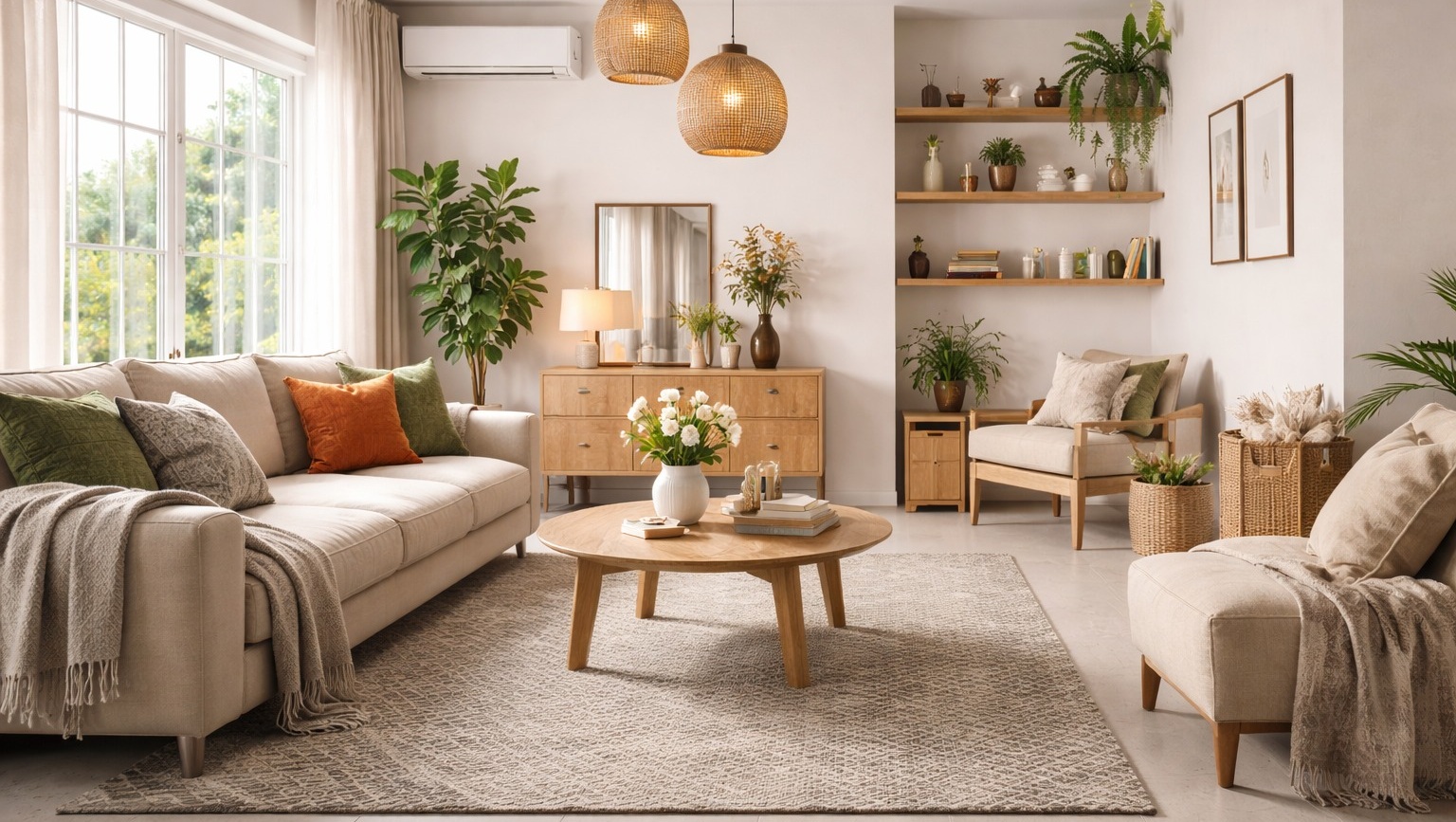
- Living Room: Allocate 10–15%. TV unit + storage + basic furniture.
- Lighting + Electrical: Allocate 10–12%. Cheapest to do early; most expensive to do later.
- Remaining furniture: Allocate 15–20%. (Depending on requirements)
- False Ceiling: Allocate 5–8%. (Depending on complexities)
- Painting: Allocate 5–8%
This structured system ensures no area unexpectedly eats into another.
Why a BOQ Is Essential for Interior Budget Control
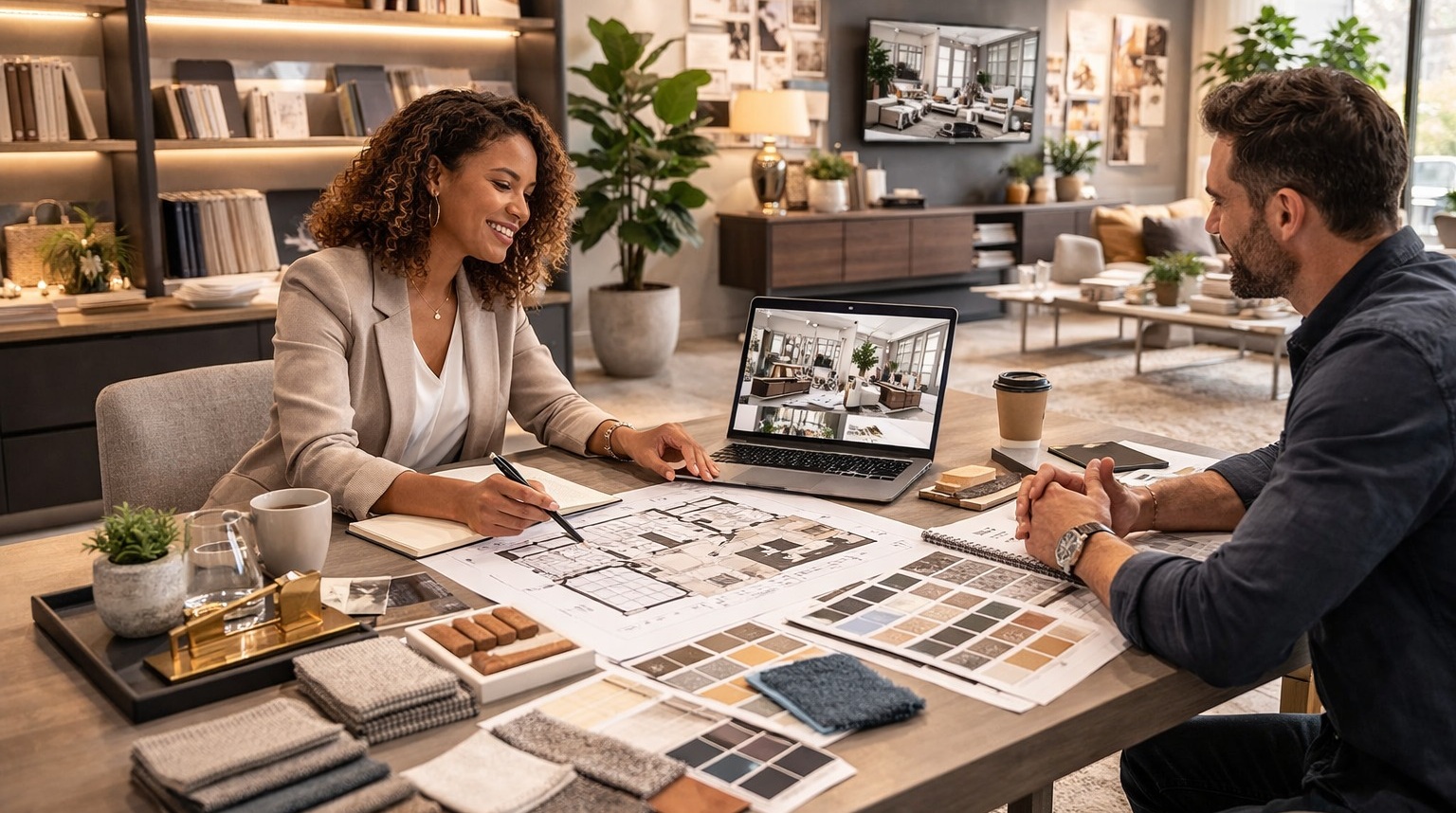
A BOQ (Bill of Quantities) is the single most powerful tool to control your budget. A good BOQ includes:
- Materials used
- Dimensions and sizes/quantities
- Hardware brands
- Details of finishes
- GST
- Transport
- Detailed breakdown of all expenses
This is where interior designers in Pune like New Leaf Designs excel. We provide a transparent breakdown before work begins, so clients know exactly what they’re paying for.
Be Honest About Your Lifestyle: It Saves Money
One of the biggest reasons for overspending is lifestyle mismatch. For example:
- Overinvesting in accessories you’ll never use
- Overly complex lighting you won’t maintain
- Trend-based designs that age quickly
- Expensive materials in low-use rooms
Instead, ask:
- Do I cook daily?
- Do I need a WFH setup?
- Do I prefer closed or open storage
- Do I host guests often?
- Do I plan to stay here long-term?
Your interior budget plan should support your lifestyle, not trends.
Work With a Team That Understands Cost Planning (Not Just Aesthetics)
A good interior professional doesn’t just create beautiful spaces, they help you:
- Control costs
- Choose the right materials
- Avoid wastage
- Spot hidden expenses
- Optimize storage
- Prevent rework
- Stay on schedule
Use this guide to ask the right questions to a designer before hiring
Learn how to choose an interior designer for small homes on a budget
Home interior planning before starting work doesn’t have to feel overwhelming. With a clear prioritization strategy, smart material choices, early planning, and a transparent BOQ, you can create a beautiful, functional, long-lasting home without overspending.
Interiors, when done right, offer the perfect balance of:
- Better storage
- Better durability
- Better space efficiency
- Better long-term value
- Better flexibility
Explore related interior cost & planning guides:
Common Interior Budget Mistakes (And How to Avoid Them)
Home Interior Services Guide
Explore how a design-only interior consultation service saves lakhs during on-site execution